

PolinaKr
Community Manager
August 21, 2026

Which two types of testing should you perform?

  • August 21, 2026
  • 12 replies
  • 160 views

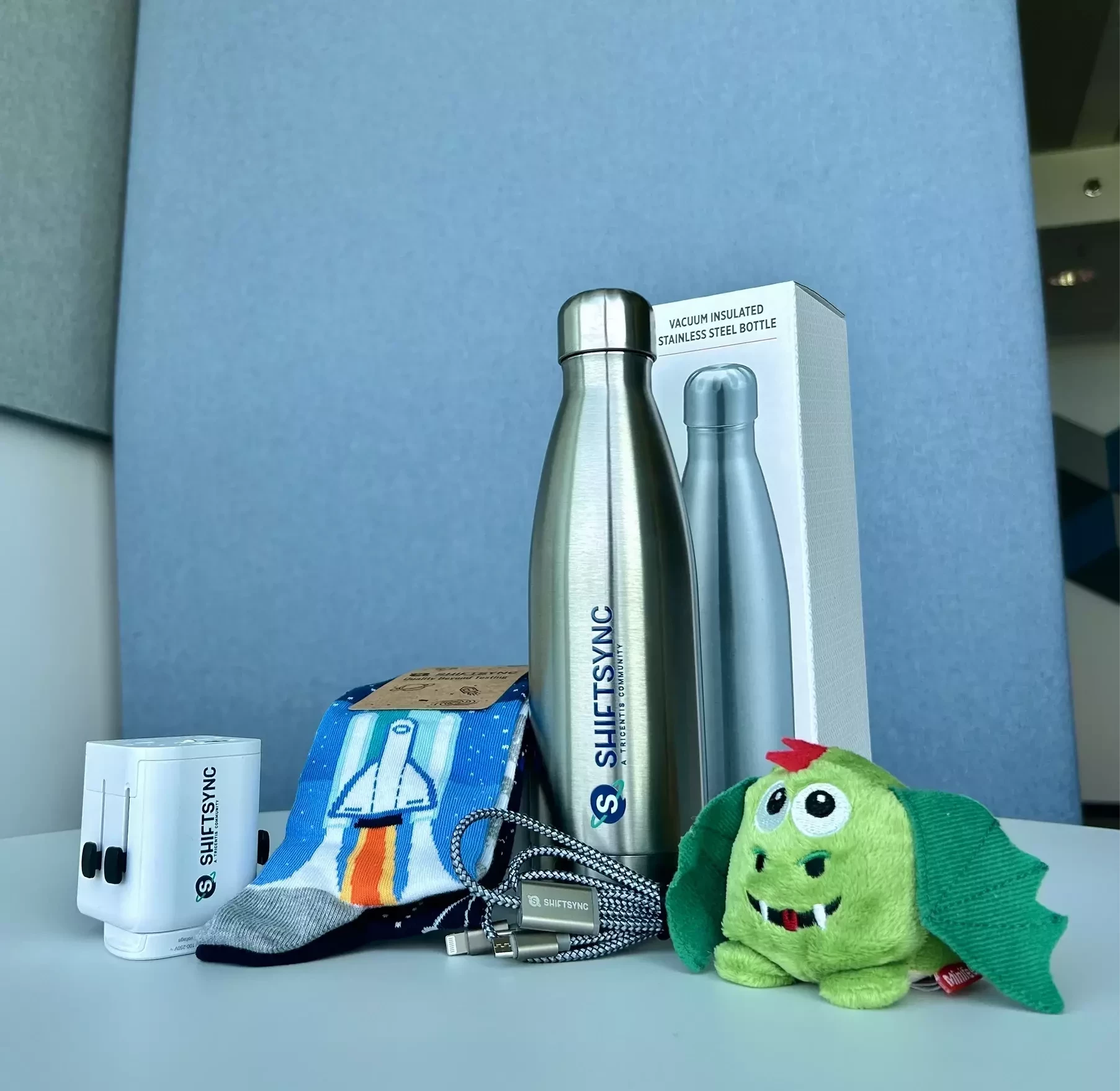
Solve the challenge by Zaynab Ragab and get a chance to win our gift box 🎁
Which two types of testing should you perform?

    12 replies

    Space Cadet
    August 21, 2026

    Functional and Regression testing 

    Space Cadet
    August 21, 2026

    The standard two core types of testing every application requires are Functional Testing (verifying what the system does against requirements) and Non-Functional Testing (verifying how it performs, covering security, speed, and usability).

    Space Cadet
    August 21, 2026

    Static testing and Dynamic testing

    Space Cadet
    August 21, 2026

    Static Testing
    Dynamic Testing

    Crewman
    August 21, 2026

    1. Functional Testing – verifies that the application works according to the requirements.
    2. Non-Functional Testing – verifies aspects such as performance, usability, security, and reliability.

    Ensign
    August 21, 2026

    Static Testing and Dynamic Testing.

    Space Cadet
    August 21, 2026
    • Functional testing (checks whether the system does what it is supposed to do) 
      • Simply it tests "Does the functions work?"
      • Eg: Unit Testing, Integration Testing, System Testing and Accceptance Testing

    and

    • Non-functional testing (checks how well the system works)
      • Eg: Load Testing, Performance Testing, Stress Testing, Security Testing, etc. 
    Space Cadet
    August 21, 2026

    static and dynamic testing 

    Ensign
    August 21, 2026


    My QA Process – Which Testing Types I Perform

    Testing for me starts before development even begins and continues through to release. Here's how I approach it:

    1. Requirement Review (Static Testing)
    Before any code is written, I review the user story/requirements. If there's a gap or ambiguity, I raise it with the Product Owner. This is a form of static testing — verifying quality without executing the code.

    2. Feature Testing (Dynamic Testing)
    Once the feature is developed, I move into dynamic testing — actually executing the application to validate behavior. This is where the bulk of functional testing happens:

    • Positive Testing – Confirms the feature works correctly with valid input (happy path).
    • Negative Testing – Confirms the feature fails gracefully with invalid or unexpected input, without crashing or corrupting data.

    3. Risk-Based Prioritization
    Since it's impossible to test everything exhaustively, I prioritize test effort based on risk — focusing positive and negative testing on high-impact areas first (payment flows, data integrity, security) rather than spreading effort evenly across low-risk features.

    4. Regression Testing (Pre-Release)
    Before release, I run regression testing to confirm that new changes haven't broken existing functionality.

    Space Cadet
    August 21, 2026

    1. Smoke Testing

    Smoke testing should be performed on a new build regardless of whether the change is minor or major. Its primary purpose is to verify that the build is stable enough for further testing.

    In other words, before spending time on functional, regression, integration, or non-functional testing, we should first confirm that the core application and the affected areas are working sufficiently well. If the build fails smoke testing, deeper testing may be blocked or become inefficient.


    2. Exploratory Testing

    In Agile, requirements can evolve continuously based on discussions, reviews, stakeholder feedback, and newly identified use cases. After smoke testing, exploratory testing can help us go beyond the documented test cases and evaluate the feature from a user-flow and user-experience perspective.

    This can help identify requirement gaps, UX issues, and unexpected behaviour early in the development cycle, potentially allowing the team to make changes before the implementation is finalized.
