

PolinaKr
Community Manager
Oct 14, 2026 11:21 AM UTC

What does SeaLights for ABAP check that dependency tracing alone can’t?

Solve the challenge by Kateryna Serdinsky and get a chance to win our gift box 🎁
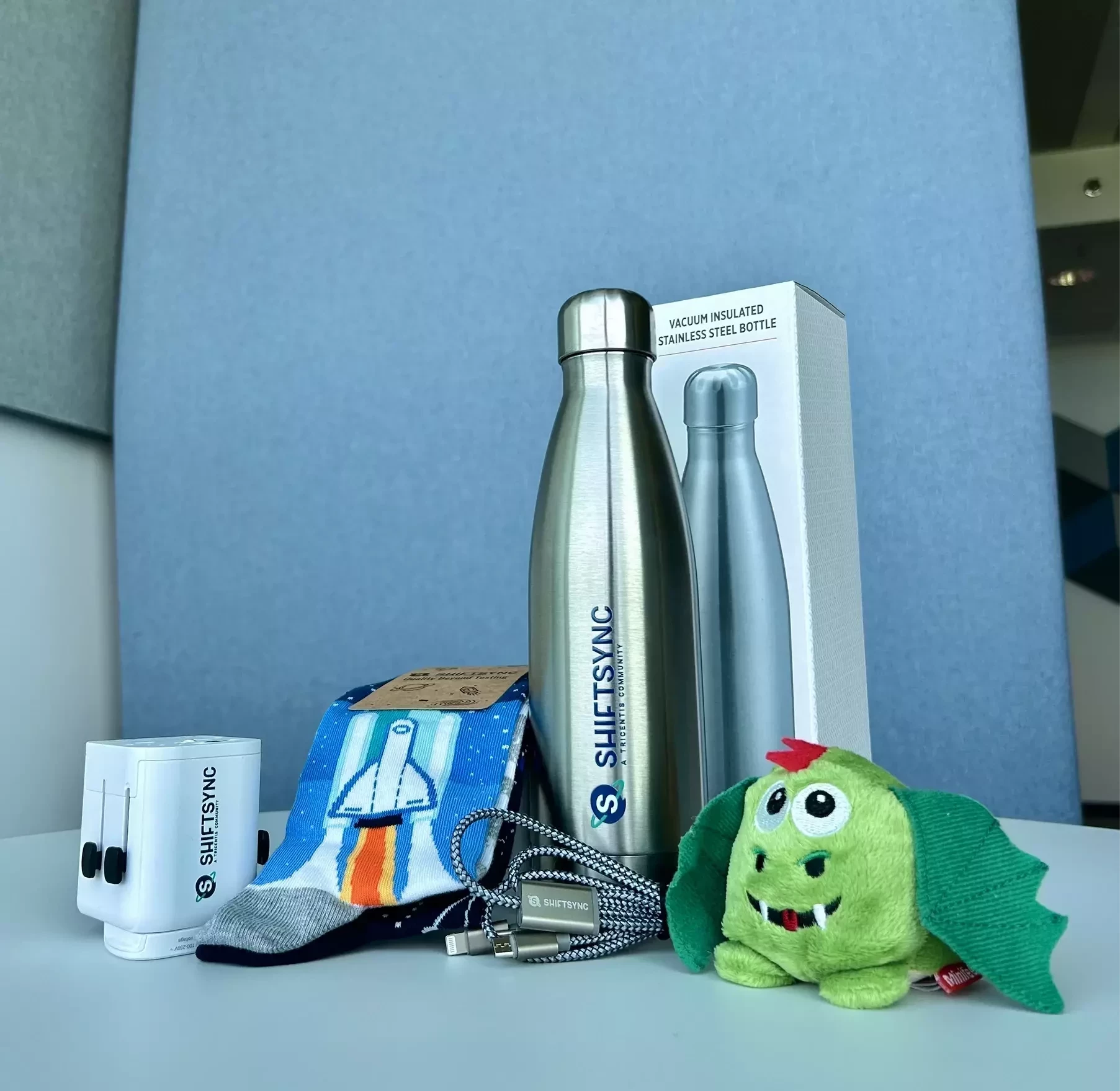
Here's what your gift box may look like! Items vary by region.


👇Answer in the comments

    3 replies

    dharmendratak
    Ensign
    Oct 14, 2026 1:04 PM UTC

    Dependency tracing only maps structural connections. it shows what might be impacted on paper. ‘Tricentis SeaLights’ provides actual ‘Quality Intelligence’ by looking at live system behavior.

    Here is what SeaLights checks that dependency tracing misses:

    • Live Execution Footprints: Dependency tracing assumes an object is tested if its parent transaction is run. SeaLights tracks runtime execution to prove if your tests actually hit the specific, modified lines of ABAP code.
    • Exact Test Gaps: It automatically highlights your exact "blind spots." It flags precisely which new or modified code blocks and transport changes have zero test coverage.
    • Production-Usage Filtering: Dependency tracing flags everything, including dead custom Z-code. SeaLights filters out obsolete code based on production data, so you only focus on code that users actually use.
    • Smart Test Selection: Instead of triggering a massive, generic regression suite because a core object changed, SeaLights uses AI to pinpoint the absolute smallest subset of tests needed to validate the specific transport.

    The Takeaway: Dependency tracing tells you what could break. SeaLights tells you exactly what is and isn't tested so you can stop testing blindly.

    Dharmendra Kumar
    Ramanan
    Ace Pilot
    Oct 15, 2026 1:57 AM UTC

    Here is my answer ​@PolinaKr ,

    Dependency tracing shows what could be impacted on paper. Tricentis SeaLights proves what was actually tested at runtime.

    The Zero-Day Catch: 

    A transport modifies logic inside a shared custom pricing function module (BAPI/FM). Dependency tracing flags 40+ linked transactions, so QA runs a massive regression suite. Every test passes, all lights are green, and the release is signed off.

    The catch? The actual code change was inside a specific conditional branch (e.g., an export discount calculation) that none of the regression test cases triggered. Because the parent transaction ran, the object was marked as "impacted and verified." The untested branch ships directly to production and crashes business operations on day one.

    What SeaLights for ABAP checks that dependency tracing can’t:

    • Line-Level Runtime Footprints: While dependency tracing assumes coverage if a transaction executes, the SeaLights ABAP agent records whether runtime execution actually traversed the modified lines of code inside the object.

    • Actionable Test Gap Analysis: It automatically pinpoints the exact blind spots—flagging changed objects and logic paths that had zero test coverage prior to release.

    • Production-Usage Filtering: Dependency tracing flags everything connected (including dead or obsolete custom Z-objects). SeaLights correlates real production usage data so teams only test code that actually matters to users.

    • Transport-Aware Tracking: Changes are tracked at the transport/build level, ensuring test gaps are tied directly to the transport payload ready for staging.

    • Quality Gates & Smart Test Selection: It replaces bloated, blind regression suites with targeted tests mapped to the change, and enforces automated quality gates to block transports if modified code was never executed.

    Takeaway: A green regression run measures effort. SeaLights measures evidence.

    Release on “what changed × what was executed,” not “what was linked.”


    Thanks,

    Ramanan

    Hunt the bugs, ensure the hugs. Quality is everything.
    سامان ذوالفقاریان
    Ensign
    Oct 17, 2026 4:15 AM UTC

    "Dependency tracing only provides static structural relationships and call trees (showing which objects call which). SeaLights, however, performs runtime execution tracking and Test Gap Analysis—it dynamically verifies whether the specific modified or new lines of ABAP code were actually executed during test runs, identifying exact test gaps that static dependency tracing cannot detect.