
Mustafa
Technical Community Manager
May 5, 2026
Webinar Challenge

What are your expectations of the software tester role after two years from now, with the booming of AI?

  • May 5, 2026
  • 13 replies
  • 362 views

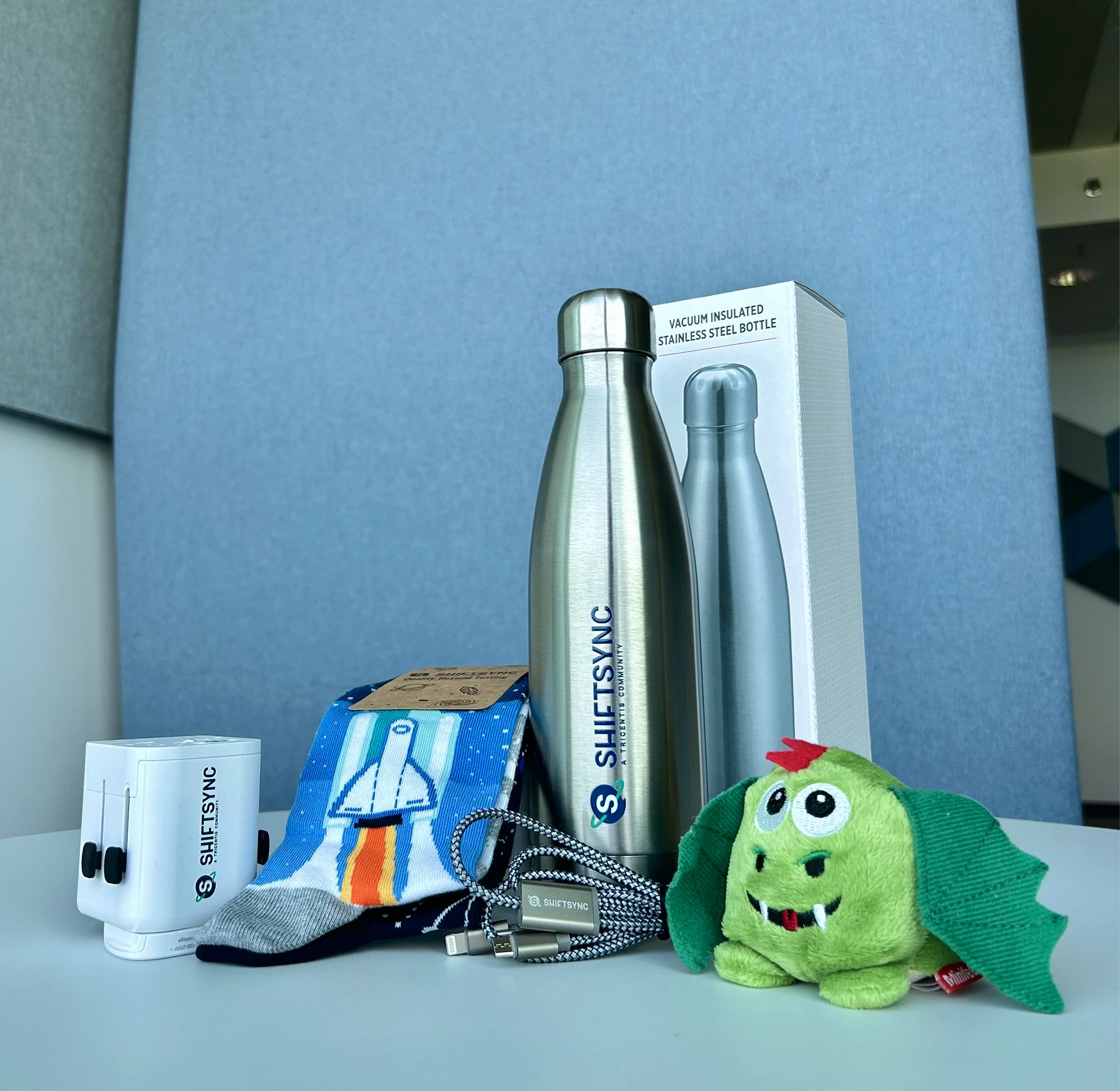
Answer Tarek Roshdy’s question for a chance to receive a ShiftSync giftbox.


Only in Death does Duty End

13 replies

Apprentice
May 5, 2026

I think testers will be transitioning to orchestrators and coordinators of the testing process. With continuously improving models, the QA Engineer role as we know it will likely stop existing. It will transition to something else — QA AI trainers, orchestrators, something along those lines.

The reason QAEs are the right people for that transition is simple: they know what needs to be tested and how. That expertise doesn't disappear — it becomes the input for setting up and governing fully autonomous QA systems. Once that transition is done, they're not QAEs anymore. They're something new.

My bet is that within two years, in well-resourced companies, AI-driven workflows will handle most of what traditional QAEs do today. The non-determinism of models is real, but that's what the connected workflows around them are designed to compensate for. The system becomes waterproof — not because the model is perfect, but because the setup around it is.

And it's worth noting that the developer role is changing in parallel. As that boundary shifts, the two roles might actually converge rather than just evolve separately — which makes the transition even more significant.

The exact pace depends on how good the models get in these two years. But the direction? Pretty clear.

dharmendratak
Ensign
May 7, 2026

The software testing role will definitely evolve in the next two years because of AI, but I do not believe it will disappear.

We have already seen a similar phase during the rise of Test Automation. At that time, many tools were marketed as complete replacements for manual testers. Companies rushed toward automation expecting reduced dependency on human testers, and the industry saw uncertainty and layoffs. But over time, organizations realized that automation is powerful for speed, repetition, and coverage — not for replacing human thinking, exploration, judgment, and real user understanding.

I believe AI is currently going through a similar phase.

Today, many companies are heavily investing in AI and expecting it to replace large parts of the workforce. At the same time, many AI tools are being marketed as fully autonomous testing solutions. But in reality, AI is still a tool — a very powerful one — and its effectiveness depends on skilled people using it correctly.

In the coming years, I think the tester’s role will shift from only executing tests to:

  • guiding AI-driven testing,
  • validating AI-generated outputs,
  • focusing more on business understanding and user experience,
  • and making quality decisions where human judgment matters.

The industry will eventually find balance. Companies will understand where AI truly adds value, testers will upskill to work alongside AI, and tools will continue evolving to support humans rather than completely replace them.

Those who adapt and learn will grow with the industry. Those who resist change may struggle.

So my expectation after two years is not “AI replacing testers,” but “AI changing the definition of a tester.”

Dharmendra Kumar
Mustafa
MustafaAuthor
Technical Community Manager
May 20, 2026

Hello, everyone.

Thank you so much for participating in this challenge.

We’re glad to announce that the winner of this challenge is ​@Memary 

We have reached out via email to communicate the prize delivery to you, so please keep an eye on your email inbox.

Let’s congratulate ​@Memary on his win! And stay tuned for more exciting events and challenges.

Only in Death does Duty End
