
Now that you’ve understood the different parameters, can you identify the key questions you would ask under each of them? Additionally, consider what insights or implications might arise if the answers differ from what you expected.

  • November 5, 2025
  • 8 replies
  • 200 views

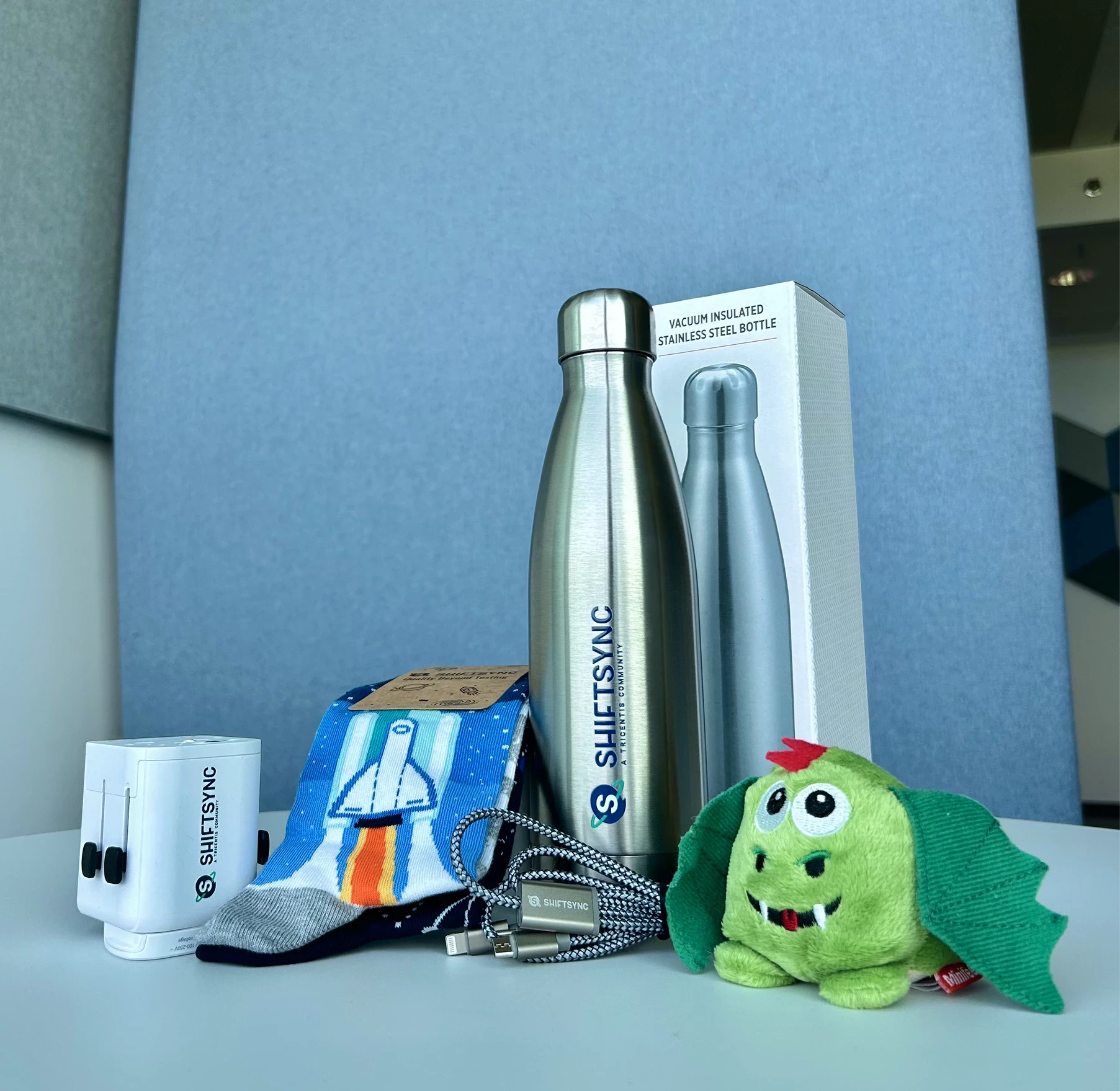
Answer Ajay's question and take a shot at winning a gift box.


8 replies

For each parameter, I’d ask key questions like:

  • Performance: How fast does the system respond under different loads?

  • Scalability: Can it handle more users or data without slowing down?

  • Reliability: How often does it fail, and how quickly can it recover?

  • Usability: Is it easy and intuitive for users to navigate?

  • Security: Are data and access well protected?

If the answers differ from what I expected, it could mean there are performance gaps, design flaws, or security risks. These insights help spot weak areas early and guide what needs improvement before moving forward.


This kind of basic questions I would love to ask to the Web Browser Automation tool who tells that this tool will use the AI to generate the TCs and automate the generated TCs 

  • What backend automation code and scripts are used?
  • If we choose to discontinue, how can the framework still be utilised?
  • Can we run this on a browser on our local machines?
  • What about functionality outside of the browser?
  • Where are the feature descriptions stored, and are they used for model training?
  • What are the background models tool is using?

سامان ذوالفقاریان
Forum|alt.badge.img

سوالات زیر را می پرسیدم:

 آیا خروجی 100\% با 'Ground Truth' تطابق دارد؟

: آیا تمام 'Edge Cases' تحت پوشش قرار گرفته‌اند؟

 آیا ورودی‌های مشابه، خروجی‌های منطقی تولید می‌کنند؟

 آیا زمان پاسخ (Latency) قابل قبول است؟

: آیا تمام 'Edge Cases' تحت پوشش قرار گرفته‌اند؟

: آیا خطر 'Data Leakage'وجود دارد؟

. پیامدهای عدم تطابق (Discrepancies):

​فنی: شکست یکپارچه‌سازی در سیستم‌های پایین‌دستی

تجاری: تأخیر در عرضه به بازار و خسارت مالی مستقیم در تصمیمات حیاتی.

​اعتماد/اخلاقی: کاهش شدید اعتماد کاربران به دلیل خروجی‌های متناقض یا تبعیض‌آمیز، که می‌تواند عواقب حقوقی در پی داشته باشد."و


  • Space Cadet
  • November 5, 2025

Few questions are there.

1. For Dataware house testing like in ETL and BI can use AI tools and how it will work, which LLM is best.


2. Do you need only python language or which is best to support 


Bharat2609
Forum|alt.badge.img+3
  • Ensign
  • November 5, 2025
  • For balancing technical evaluation with stakeholder expectations (cost, scalability), ask:

    • Performance: How responsive is the AI tool under normal and peak loads?

    • Scalability: Can it scale up efficiently with increased users or data volume without degradation?

    • Cost-effectiveness: How do the tool’s costs compare relative to expected benefits and scale?

    • Reliability: What are the failure rates and recovery times during operations?

    • Usability: Is it intuitive enough for stakeholders to adopt without extensive training?

  • To measure long-term ROI from an AI tool beyond productivity gains, ask:

    • Sustained impact: Does the tool continue to find defects and improve quality over time?

    • Adaptability: Can it evolve with changing test scenarios or business needs?

    • Cost savings: How much manual testing effort and related costs does it reduce continuously?

    • Quality improvements: Are there measurable decreases in production issues or customer complaints?

    • Team utilization: Does it free up testers for higher-value work, enhancing overall output?

  • Regarding PostQode’s support and continuous updates to meet evolving testing needs, ask:

    • AI model updates: How often are AI algorithms refreshed to incorporate latest testing patterns?

    • Feature enhancements: What new testing capabilities or integration options are regularly added?

    • Support services: Is there ongoing customer support, training, and community engagement?


Dhrumil812
  • Ensign
  • November 5, 2025

General:

Question: Are the tool’s capabilities aligned with our business objectives and security standards?
Insight: If not, we risk investing in innovation that’s impressive but irrelevant—or worse, noncompliant.

-------------------------------------------------------------------------------
LLM

Question: How effectively does the orchestrator handle multi-LLM workflows while minimising hallucinations?
Insight: Weak orchestration means brilliant models could still produce unreliable or inconsistent results.

-------------------------------------------------------------------------------

INPUT

Question: Are our data connectors and indexing strategy future-proof for scale and varied data types?
Insight: If not, data ingestion becomes the silent bottleneck that undermines AI accuracy and agility.
-------------------------------------------------------------------------------
COST

Question: Do LLM costs correlate with measurable business value, not just usage volume?
Insight: If they don’t, cost optimisation turns into cost justification – a red flag for scalability.
-------------------------------------------------------------------------------
OUTPUT

Question: How easily can outputs be migrated or integrated across ecosystems without vendor lock-in?
Insight: If migration is painful, innovation will stagnate the moment the vendor does.
-------------------------------------------------------------------------------
CONTROL

Question: Is the user-driven control model adaptable enough to evolve with changing governance and ethics?
Insight: If control is rigid, compliance and trust will crumble just when scale demands flexibility.


  • Ensign
  • November 5, 2025
Label Question Insight (if answer differs)
General Does the tool align with our business goals, compliance needs, and security standards? Misalignment can lead to wasted investment or regulatory risk.
LLM Can the orchestrator manage multiple LLMs effectively while minimizing hallucinations? Poor orchestration may result in inconsistent or unreliable outputs.
INPUT Are our data connectors and indexing strategies scalable and adaptable to diverse data types? Inflexible input pipelines can become bottlenecks, reducing AI accuracy and responsiveness.
COST Do LLM costs reflect actual business value rather than just usage volume? If not, scaling becomes expensive and hard to justify.
OUTPUT Can outputs be easily integrated or migrated across platforms without vendor lock-in? Limited portability can stall innovation and increase switching costs.
CONTROL Is the control model flexible enough to adapt to evolving governance and ethical standards? Rigid controls may hinder compliance and trust as the system scales.

PolinaKr
Forum|alt.badge.img+4
  • Community Manager
  • November 7, 2025

I’m pleased to announce that the winner of this challenge is @rrashp 🎉

Huge congratulations to the winner. We will contact you shortly to arrange the prize. So, keep an eye on your email inbox.

And a big thank you to everyone who participated in this challenge. And a special thank you to ​@Ajay184f  🍻
